Westferry Road Removals: Best Times & Parking Tips
Posted on 14/05/2026
Westferry Road Removals: Best Times & Parking Tips
If you are planning a move on or near Westferry Road, the difference between a smooth day and a chaotic one often comes down to two things: timing and parking. That sounds simple, but in real life it can mean the van arrives without delay, the lift is free when you need it, and you are not hauling boxes down the road because a bay has vanished. Westferry Road removals are very doable, but the area rewards a bit of local planning.
In this guide, we will walk through the best times to move, how parking tends to work in the area, what can trip people up, and how to prepare so the whole thing feels less like a scramble. We will also cover practical steps, common mistakes, and a few expert-level tips that help whether you are booking a full house move, a flat move, or a smaller man and van job. Truth be told, a move in London is rarely a one-size-fits-all affair.
For broader planning support, it can help to review the full range of removal services available and, if you are trying to reduce load on the day, take a look at how decluttering can streamline your move.

Why Westferry Road Removals: Best Times & Parking Tips Matters
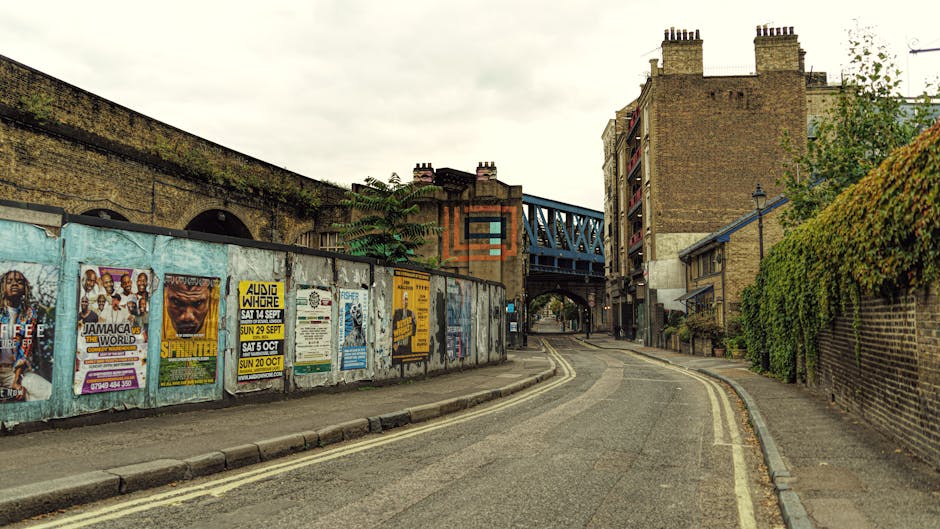
Westferry Road sits in a busy part of East London where traffic, kerb access, and parking availability can shape the entire moving day. If your van cannot stop close enough to the property, even a well-packed move gets slower, heavier, and more stressful. That is especially true for flats, upper-floor homes, and properties with limited access points.
The main reason timing matters is simple: Westferry Road is not a quiet side street. Morning commute traffic, school-run pressure, local deliveries, and general London congestion all compete for space. Add in the fact that a removal van may need a clear stopping point, and suddenly "just turn up at 9am" feels less like a plan and more like a gamble.
Parking matters for another reason too: it affects safety. The shorter the carry distance from van to front door, the lower the risk of dropped items, strained backs, blocked entrances, and tense moments with neighbours or passers-by. If you have ever tried to balance a wardrobe while someone in a hurry is waiting behind you with their pram, you will know the feeling. Not ideal.
Planning ahead also helps with cost control. Delays can mean more labour time, more waiting, and more pressure on the moving schedule. A well-organised move on Westferry Road is usually one where the van is in place, the parking situation is understood, and the loading sequence is ready before the first box comes out.
If you are moving a home rather than a single item, it may also be worth reading about house removals in Limehouse or, for smaller households and tighter spaces, flat removals in Limehouse. The access challenges are similar, and the planning mindset is the same.
How Westferry Road Removals: Best Times & Parking Tips Works
There is no magic trick here, only a sequence that works. First, you identify the best moving window for your property and building. Then you check parking options, plan how the van will stop, and make sure the items are packed in a way that suits a faster unload. That is the basic shape of it.
In practical terms, the process usually looks like this:
- Choose the moving day and time. This should factor in traffic, building access, and any restrictions at either address.
- Check vehicle access. Measure the street width, gate access, steps, and any tricky bends or loading points.
- Plan parking. Decide whether the van can stop legally and safely nearby, or whether you need a loading bay, permit, or timed window.
- Prepare the property. Clear hallways, reserve lifts if needed, and keep essentials separate.
- Load in a sensible order. Large, awkward items go first, with fragile and high-priority items protected and easy to find.
A local removal service will usually ask a few very specific questions before the job begins. That is a good sign. It means they are thinking ahead about route access, parking constraints, and whether the job is a straightforward man and van move or something more involved. If you are looking for that kind of flexible support, man and van services in Limehouse can be a practical fit for smaller or mid-sized moves.
There is also a timing difference between building types. A ground-floor move with clear roadside access can be handled very differently from a fourth-floor flat with a narrow stairwell and no lift. The job may look similar on paper, but the parking and loading rhythm changes completely.
Key Benefits and Practical Advantages
Getting the timing and parking right is not just about convenience. It changes the entire feel of the day. Here are the main benefits, in plain English.
- Shorter carry distances: less time walking between the property and van means less fatigue and fewer delays.
- Lower risk of damage: fewer awkward manoeuvres around parked cars, corners, and kerbs.
- Better use of labour time: movers can focus on lifting and loading instead of waiting around.
- Less stress for you: the day feels controlled rather than improvised.
- Cleaner building relationships: neighbours, concierges, and building managers tend to appreciate orderly access.
- More accurate planning: when the parking plan is clear, quotes and time estimates tend to be more reliable.
There is another, quieter benefit. A move that runs on schedule gives you room to breathe. You can check cupboards, make sure the meter readings are done, and confirm you have not left a charger behind in a kitchen drawer. Those little things matter more than people expect.
If your move involves bulky furniture, the practical gain is even bigger. A couch, wardrobe, bed frame, or dining table is much easier to handle when the van is positioned properly. For furniture-specific support, furniture removals in Limehouse can be a sensible option, especially if you want the awkward items treated carefully from the start.
Who This Is For and When It Makes Sense
Westferry Road removals are relevant for a wide range of people, but some situations benefit more than others from careful timing and parking planning.
It makes particular sense if you are:
- moving into or out of a flat with limited roadside access
- dealing with a full household move rather than a small collection of boxes
- moving during a busy weekday or school term
- working around lift bookings, concierge rules, or building access windows
- moving fragile, heavy, or awkward items that need short carry distances
- trying to keep costs down by reducing waiting time
Students and renters often need a fast, tidy move, especially around tenancy handovers. In those cases, a smaller vehicle and a tighter schedule can be a good fit. If that sounds like your situation, student removals in Limehouse may be worth a look.
Office moves also benefit from parking forethought, because even a short delay can affect staff, reception access, or building rules. If you are planning a commercial relocation, office removals in Limehouse provide a more structured approach than a casual same-day uplift.
And yes, sometimes the need is less about "best practice" and more about simple survival. You have a lease ending, a weather forecast that looks grey and damp, and a sofa that refuses to fit through the door unless the angle is just right. We have all been there, more or less.
Step-by-Step Guidance
Here is a practical way to organise a move on Westferry Road without letting the day drift off course.
1. Confirm the best moving window
Whenever possible, avoid the heaviest traffic periods. Early morning can work well if you want a fresh start and quieter roads, but only if the building access is ready and you are not waiting on keys. Mid-morning or early afternoon is often easier for loading, especially if you want slightly calmer conditions. The best slot is the one that balances traffic, access, and your own readiness.
2. Check the property access first
Before you think about the van, think about the route from the front door to the street. Are there steps? Tight corners? A narrow entrance? A lift that only fits a couple of boxes at a time? These details matter. They are often the hidden cause of delays.
3. Sort parking before the first box is packed
On a busy road, the parking question should be answered early. If you can park safely and legally near the property, good. If not, you may need to arrange a permit, identify a loading area, or work with a timed stop. Do not leave this until the van is already outside. That is where the headaches begin.
4. Prepare items in a loading-friendly order
Pack the van in the order things will come off. Heavy furniture and large boxes usually go in first, while fragile essentials stay protected and accessible. If you are still packing, these packing tips for a smoother relocation will help you avoid the classic "where is the kettle?" moment.
5. Keep a small essentials bag with you
Charge cables, documents, tea bags, medication, a basic toolkit, and a change of clothes should stay close. In a moving day blur, the smallest thing can become the most annoying thing. A little bag solves a lot.
6. Build in a buffer
Even careful plans go sideways. A neighbour may park awkwardly, a lift might be busy, or traffic could be worse than expected. Give yourself a cushion so one hiccup does not unravel the entire schedule. That buffer can be the difference between calm and full-on scramble.
Expert Tips for Better Results
Here is where the experience part matters. Small adjustments make a surprisingly big difference on Westferry Road.
- Use a morning recce if possible. If you can, walk or drive the route beforehand and note where a van can safely stop.
- Measure bulky items before moving day. A mattress or wardrobe that technically fits indoors can still create parking pressure if it has to be manoeuvred awkwardly from far away.
- Book access slots with your building early. Lifts, concierge support, and loading areas are often more useful than people realise.
- Label items by room. It speeds up unloading and keeps parking time to a minimum.
- Keep a spare plan for wet weather. Wet cardboard is miserable, and wet steps are worse. London drizzle has a way of arriving precisely when you did not ask for it.
- Think about the heaviest items first. If a move includes awkward furniture, a professional approach can help prevent damage. For example, solo lifting advice for big objects explains why certain items should never be tackled casually.
One small but useful observation: the best moving days often look boring. No last-minute searching for keys, no confusion about where to park, no frantic phone calls from the pavement. Boring is good. Boring means the plan is working.
If you are moving specialist items, do not improvise. A piano, for instance, is a different level of risk entirely. Why DIY piano moving is usually a bad idea is worth reading before anyone tries to "just give it a go".
![Two professional movers from Man with Van Limehouse are seen loading a large, green, cushioned furniture piece into the open back of a white cargo van on a sunny day. The van is positioned on a paved street with the rear doors swung wide open, revealing the interior space designated for packing and loading furniture. The movers are wearing navy-blue uniforms with safety straps and are carefully lifting the item using proper lifting techniques. In the background, there are street signs, a lamppost, and a row of parked vehicles, indicating a typical urban environment suitable for house removals. The scene captures the logistics of a home relocation, involving careful handling of bulky furniture and transport preparation, reflecting professional furniture transport and packing and moving services offered by [COMPANY_NAME]. The environment is well-lit with natural daylight, emphasizing a smooth loading process necessary for efficient house removals or relocation projects.](/pub/blogphoto/westferry-road-removals-best-times-parking-tips2.jpg)
Common Mistakes to Avoid
Most moving problems on Westferry Road are preventable. The mistakes tend to be familiar, and once you know them, they are easier to sidestep.
- Assuming parking will sort itself out. This is the big one. It usually does not.
- Choosing a peak traffic time without a good reason. A slightly earlier or later slot may save a lot of frustration.
- Forgetting building rules. Some blocks have access windows, lift bookings, or noise expectations that can affect the move.
- Packing too late. Last-minute packing leads to poor labelling, broken handles, and heavier boxes than anyone should carry.
- Underestimating awkward furniture. A bed frame that looks simple in the bedroom can become a small puzzle in the hallway.
- Leaving all fragile items until the end. They deserve a planned approach from the start.
There is also the classic mistake of not telling the removal team about access issues until they arrive. That is awkward for everyone. If there is a narrow street, a tight turning point, or a loading bay with restrictions, say so early. It helps the crew bring the right vehicle and plan the right approach.
And yes, if you are trying to do too much alone, that often becomes the mistake behind the mistakes. A moving day is not the time to be a hero.
Tools, Resources and Recommendations
A few basic tools and resources make a Westferry Road move far easier. Nothing fancy. Just the stuff that prevents tiny problems from becoming big ones.
- Sturdy boxes and tape: boring, essential, non-negotiable.
- Labels or a marker: room labels save time during unloading.
- Furniture covers and blankets: useful for protecting door frames and finished surfaces.
- Gloves with grip: handy for wet weather and heavier items.
- Trolley or sack barrow: helpful if there is a reasonable flat route to the van.
- Measuring tape: useful for furniture dimensions, door widths, and lift access.
If you need boxes or packing materials, packing supplies and boxes in Limehouse are a practical starting point. For bigger moves where you want somewhere safe to hold items between properties, storage in Limehouse can be a relief, especially if completion dates are a bit messy.
Some items need special handling. Sofas, for example, are often better protected before storage or transport. If that applies to you, professional sofa storage tips are well worth a look. Freezers are another classic moving-day headache, and proper freezer storage methods can help you avoid leaks, odours, and wasted space.
For a broader planning mindset, it also helps to read stress-saving moving tricks. A calm move is usually a prepared move.
Law, Compliance, Standards, or Best Practice
Moving on Westferry Road is not just about convenience; it is also about staying sensible and respectful of local rules and shared spaces. Exact parking restrictions can vary by location, street markings, time of day, and borough controls, so the safest approach is always to check the situation before moving day rather than assuming you can stop anywhere for a few minutes.
Good practice usually includes:
- parking only where it is legal and safe to do so
- avoiding obstruction to pedestrians, cyclists, and emergency access
- being careful around shared entrances, dropped kerbs, and communal areas
- respecting building rules on lifts, loading, and noise
- making sure the removal team knows about any access limits in advance
If you are unsure about a specific bay, permit, or restriction, it is better to verify than guess. That might sound obvious, but moving day can make obvious things strangely easy to forget. A quick check can prevent a parking ticket or a difficult conversation with a neighbour.
It is also sensible to use a company with clear policies around safety and customer care. You can review health and safety guidance, insurance and safety information, and the terms and conditions before booking. If you want to know who you are dealing with, about us gives useful background too.
Options, Methods, or Comparison Table
There are a few ways to handle a move on Westferry Road, and the best choice depends on the volume of items, access, and how much help you want on the day.
| Method | Best For | Strengths | Watch Outs |
|---|---|---|---|
| Man and van | Small to medium moves, flexible schedules | Efficient, often easier to book, good for tight access | May need more of your own packing and preparation |
| Full removal service | House moves, heavier loads, more complex access | More hands on deck, better for larger jobs | Usually needs more planning and coordination |
| Same-day removal | Urgent or short-notice moves | Fast response, useful in a pinch | Less flexibility on timing and parking choice |
| Self-move with hired van | Very small budgets and experienced movers | Direct control over everything | Highest risk if parking, lifting, or access goes wrong |
For many Westferry Road moves, a local man with a van in Limehouse sits in the sweet spot: enough help to keep the day moving, but still flexible enough to work around local access conditions. If you need something faster, same-day removals may be the right fallback, though parking plans become even more important.
Case Study or Real-World Example
Here is a realistic example. Imagine a one-bedroom flat move on Westferry Road on a weekday morning. The tenant has a sofa, a bed, several boxes, a small desk, and a freezer that needs careful handling. The property is in a busy stretch where parking is not guaranteed, and there is a lift, but it is small and shared.
Instead of arriving and hoping for the best, the move is planned around a calmer mid-morning slot. The tenant confirms the building access window, sets aside the key documents and kettle, and labels boxes by room. The van is positioned as close as safely possible, which shortens the carry distance and keeps the loading sequence tidy. The sofa is wrapped, the bed frame is taken apart, and the freezer is prepared separately so it does not become an afterthought.
The result? Less back-and-forth, fewer awkward pauses, and no frantic hunt for a parking space while carrying a mattress down the stairs. It is not glamorous, and that is exactly the point. The best move is the one that feels unremarkable by lunchtime.
If you are moving similar furniture, these related guides can help: moving your bed and mattress and move-out cleaning tips. They fit neatly alongside the parking and timing planning because, honestly, everything on moving day links together.
Practical Checklist
Use this as a quick pre-move check before a Westferry Road removal.
- Confirm the moving date and preferred time window
- Check traffic patterns and avoid obvious rush-hour pressure where possible
- Review parking rules, loading access, and any restrictions near the property
- Measure larger furniture and note any tight doorways or stair turns
- Tell the removal team about lifts, bays, steps, or access codes
- Pack and label boxes by room
- Keep essentials, documents, and valuables with you
- Protect fragile items and wrap furniture where needed
- Leave a buffer for delays, wet weather, or building hold-ups
- Check your old and new property for final walk-through tasks
Quick takeaway: if the parking is sorted and the timing is realistic, the rest of the move becomes much easier to manage. That is usually where the win is.
Conclusion
Westferry Road removals do not have to be stressful, but they do reward planning. The best times are the ones that fit the road, the building, and your own pace. The best parking plan is the one that shortens carry distances, avoids unnecessary delays, and keeps everyone safe. Put those two pieces together and the move becomes far more manageable.
Whether you are moving a flat, a family home, office equipment, or a single bulky item, the same rule applies: think ahead, keep the route clear, and do not leave parking as an afterthought. A little structure goes a long way here. Really, it does.
Get a free quote today and see how much you can save.
And if you want a move that feels steadier from the first box to the last, start with the small things. They are usually the things that make the day feel calm.